
Raisin Rage: a fun & casual font!
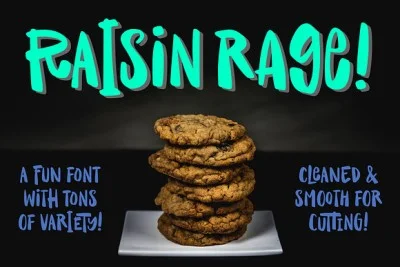
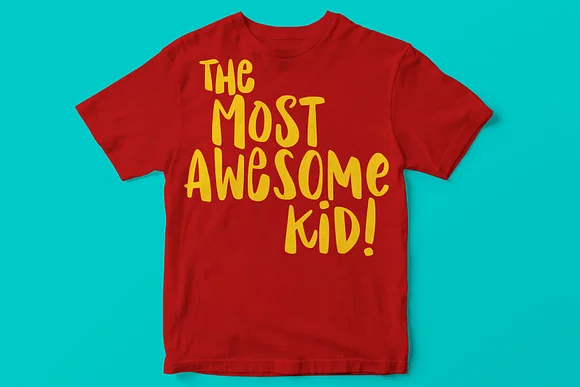
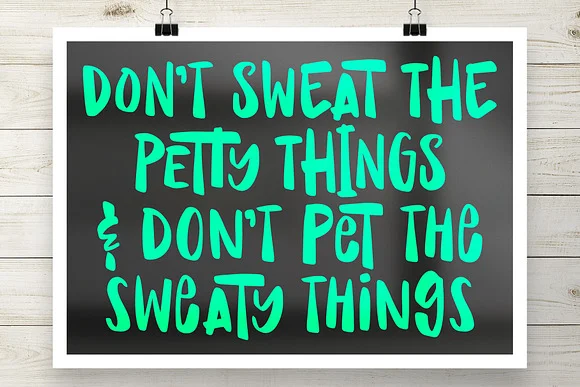
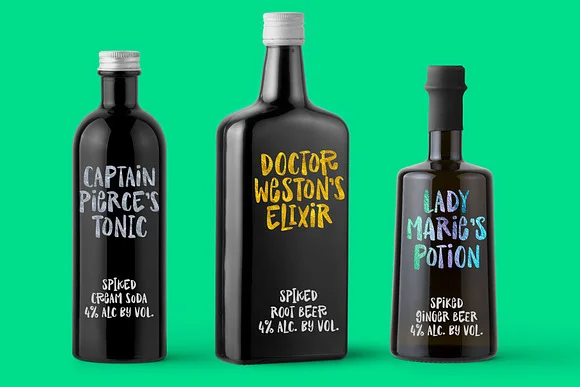
Raisin Rage: a fun & casual font!
Typography shapes perception at a subconscious level. Raisin Rage: a fun & casual ! leverages strong typographic hierarchy support to make every composition feel considered. The typeface brings a warm, personal sensibility to a broad range of creative disciplines, with versatility across print and screen contexts that holds up whether the work is print-first or screen-first.
In practice, Raisin Rage: a fun & casual ! proves particularly effective for editorial layouts, journal covers, keepsake albums, brand identity systems, web design. Designers reaching for it find that the type decisions feel resolved rather than laboured — a useful quality when client timelines are tight.
Letter height variation is intentional: ascenders and descenders extend slightly beyond standard cap height to reproduce the rhythm of genuine handwriting. Connecting strokes are optically weighted so they appear continuous across words without overprinting.
The range of applications extends to gift packaging, annual reports, thank-you cards, recipe cards. That breadth is deliberate: the proportions and spacing were stress-tested across a wide range of mock briefs before the typeface was finalised.
The consistent rhythm of Raisin Rage: a fun & casual ! across a full paragraph creates the kind of even grey value that makes extended reading comfortable, a detail that matters more in long-form content than its subtlety might suggest.
UX designers establishing typographic systems for digital products find Raisin Rage: a fun & casual ! a reliable choice for projects that demand both personality and restraint. The design avoids the self-conscious quirkiness that dates quickly, settling instead for considered distinctiveness that holds up over time.
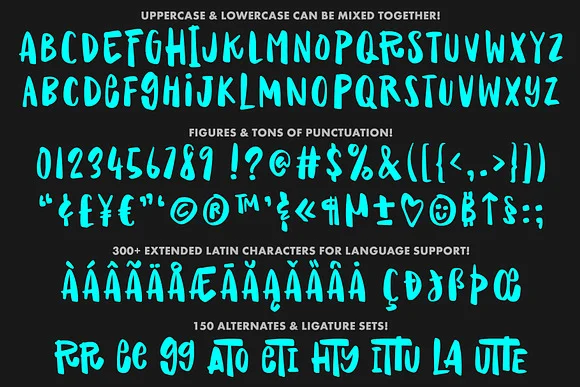
The typeface is provided as both an OTF and a TTF file. For design work in Illustrator, Figma, or Sketch, OTF is the recommended format and will expose any programmed alternates or ligatures. For web projects or environments where OTF causes rendering issues, substitute the TTF file — the visual output is indistinguishable at most sizes.
The is ready. Raisin Rage: a fun & casual ! works across design applications on Windows, macOS, and Linux — install it and start exploring what it can do.