Typography for Small Businesses: How to Choose Fonts That Build Trust
14/06/2026
Typography for Small Businesses: How to Choose Fonts That Build Trust
Most small business owners think about their logo, their colors, and their product photography. Typography is usually an afterthought — something you pick quickly from a dropdown menu and move on. That's a mistake. The fonts you use across your website, packaging, signage, and marketing materials communicate something about your business before a single customer reads a word of your copy. The right typography builds credibility. The wrong typography — even subtly wrong — creates friction that makes people hesitant to buy.
This guide is for business owners, not designers. No jargon, no theory for its own sake. Just a practical framework for making better font decisions.
Your Font Is Part of Your First Impression
Research on visual perception consistently shows that people form judgments about brands within fractions of a second. A significant portion of that judgment comes from typography. A law firm using a playful, bouncy script font feels untrustworthy — not because the lawyers aren't qualified, but because the visual signal doesn't match the professional expectation. A handmade soap brand using a cold, corporate sans-serif feels impersonal for the same reason.
Typography signals things like:
- Industry and category: Certain font styles are so closely associated with specific industries that deviating from them requires a deliberate reason. Luxury brands use refined serifs and elegant scripts. Tech companies favor clean geometric sans-serifs. Craft businesses lean into handwritten and vintage styles.
- Price point: Heavier, more decorative fonts often read as budget or mass-market. Refined, understated typography reads as premium. This isn't absolute, but it's a reliable signal.
- Personality: Playful? Professional? Authoritative? Warm? Each of these can be communicated through your font choices before a customer engages with any of your actual content.
The Two-Font Rule (and When to Break It)
The most practical typographic advice for non-designers is this: use two fonts, maximum. One for headlines and display text, one for body copy. That's it.
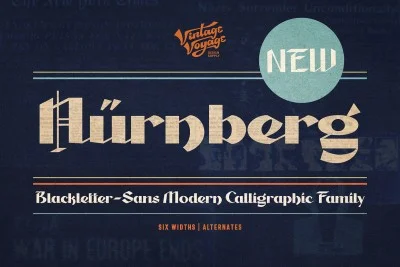
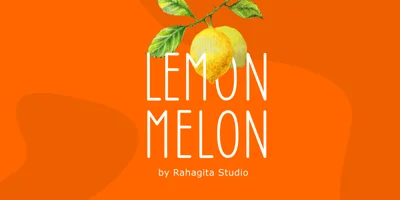
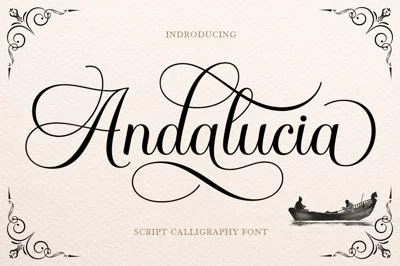
Your display font — the one you use for your business name, major headings, and any large text — is where your personality lives. This can be a script, a serif with character, a bold display face, or anything that captures the feeling you want your brand to convey.
Your body font — the one you use for descriptions, paragraphs, and any text people actually have to read — should prioritize legibility above all else. This is typically a clean sans-serif or a readable serif. The rule of thumb: if someone has to slow down to read it, it's the wrong body font.
The exception to the two-font rule: sometimes a single, versatile font family with multiple weights does the job better than two separate fonts. A family with a light weight, a regular weight, and a bold weight gives you hierarchy without introducing a second typeface.
Matching Fonts to Your Business Type
Here's a practical breakdown by business category:
Restaurants and food businesses. Your font should evoke the experience you're selling. A farm-to-table restaurant might use a refined serif and a subtle script for warmth. A fast-casual spot might use a bold, energetic sans-serif. A bakery benefits from something with a handcrafted, approachable feel — consider handwriting-style fonts or brush scripts for accent text. Avoid anything that feels generic or corporate; food is personal.
Professional services (accountants, consultants, attorneys). Credibility is everything here. Stick to traditional serif fonts or clean, professional sans-serifs. Avoid decorative fonts entirely for body text. If you use a script or display font at all, keep it to your logo or a single headline — never in paragraphs your clients need to read carefully.
Retail and e-commerce. Depends heavily on your positioning. A boutique fashion brand wants something refined and fashion-forward — often a clean, modern serif or a geometric sans-serif with personality. A value-focused retailer can use bolder, more energetic typography. The key is matching the font energy to the shopping experience you're promising.
Health and wellness businesses. Think approachable and trustworthy, not clinical. Rounded sans-serif fonts work extremely well here — they feel friendly and human without sacrificing legibility. Avoid anything too decorative or heavy, which can feel overwhelming in a space where people want to feel at ease.
Creative businesses (photographers, artists, designers). You have the most freedom here, and also the highest expectations. Your typography needs to feel intentional and considered, because your clients are hiring you partly for your aesthetic judgment. A mismatched or generic font signals that your eye for design might not be as sharp as your portfolio suggests.
The Practical Checklist Before You Commit
Before finalizing any font choice, run through these questions:
- Does it work at small sizes? Test your body font at 12–14px on screen and at 9–10pt in print. If it becomes hard to read, find something else.
- Does it work in all-caps? If you plan to use your font for subheadings or labels in all-caps, check it first. Some fonts look great in mixed case and fall apart in all-caps.
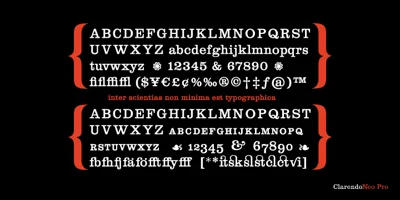
- Does it include the characters you need? If you have special characters, accents, or symbols in your business name or product names, confirm the font covers them.
- Does it feel right in three years? Trendy fonts date quickly. If a font is everywhere right now, consider whether you want your brand tied to that trend. Timeless type choices usually serve small businesses better than chasing what's current.
- What's the license? If you're using a font commercially — on a website, in print materials, on product packaging — you need a commercial license. Free-for-personal-use fonts are not free for business use. Check the license before you commit.
Where to Find the Right Fonts
Quality fonts don't have to be expensive. There are thousands of free and low-cost options that work beautifully for small business branding — you just need to know where to look and what to avoid. Steer clear of the overused default fonts that come pre-installed on every computer; your brand deserves something that doesn't look identical to every other business's materials.
Explore the full library at FreeForFonts, where 38,000+ fonts are organized by style — from clean sans-serifs and classic serifs to expressive scripts and distinctive display faces. Every listing includes licensing details so you know exactly what you're getting before you download.