Free Vintage Fonts That Nail the Retro Aesthetic
13/06/2026


Free Vintage Fonts That Nail the Retro Aesthetic
There's a reason retro typography keeps coming back. Vintage fonts carry emotional weight that modern, clean typefaces simply can't replicate — they feel lived-in, handcrafted, and honest. Whether you're building a brand identity, designing a label, or putting together a poster, the right vintage font can transport your audience to a specific era before they've read a single word. The trick is knowing which styles to reach for and how to use them without your design feeling like a Halloween costume.
Here's a breakdown of the major retro font styles, what makes each one work, and where to find quality options for your next project.
Art Deco: Geometry Meets Glamour
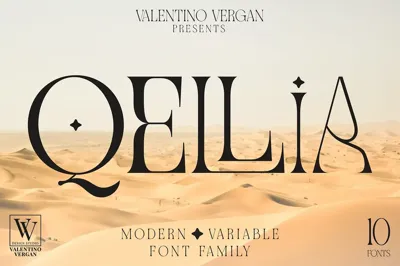
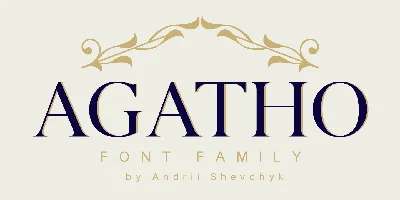
Art Deco typography peaked in the 1920s and 1930s, and it remains one of the most immediately recognizable vintage styles in design. The defining characteristics: geometric letterforms, strong vertical emphasis, symmetrical layouts, and a general sense of luxury and elegance. Think The Great Gatsby movie poster, classic Hollywood signage, or high-end hotel branding.
Art Deco fonts work best for premium and luxury brands — think jewelry, cocktail bars, upscale restaurants, and boutique hotels. They signal sophistication without the stuffiness of traditional serif fonts. When pairing an Art Deco display face, keep supporting text minimal and clean. Thin sans-serifs work well; busy body copy kills the effect.
One practical tip: Art Deco capitals are where the real drama lives. These fonts are almost always better in uppercase settings — all-caps headlines, monograms, and short labels. Running them in lowercase or mixed case often feels awkward.
Mid-Century American: Optimism in Every Letterform
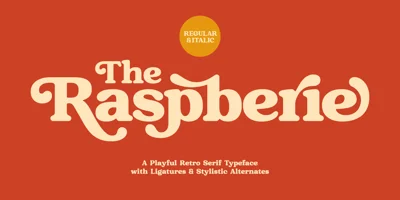
The 1950s and early 1960s gave us one of the most distinctive typographic eras in American history. Mid-century fonts are characterized by rounded, friendly letterforms, a slightly condensed proportions, and a general sense of forward-looking optimism. Think diner signs, motel logos, vintage travel posters, and early television branding.
This style works exceptionally well for food and beverage brands, especially anything positioning itself as comfort-oriented or nostalgic. It's also popular in the travel and hospitality industries and for brands targeting millennial consumers who grew up with retro-aesthetic media. The key to making mid-century type feel authentic rather than kitschy is restraint — one strong display font, clean layout, and a limited color palette (typically muted pastels or warm earth tones).
Browse the vintage and retro font collection on FreeForFonts for options that capture this era's characteristic warmth and energy.
Western and Frontier: Bold, Rugged, and Unapologetic
Western typography — the slab-serif, heavily ornamented style associated with 19th-century American frontier culture — has had a remarkable resurgence in craft branding. Craft beer, barbecue joints, whiskey labels, leather goods, and outdoor brands have all leaned heavily into this aesthetic over the past decade. Done right, it communicates authenticity, toughness, and a rejection of corporate polish.
The most recognizable Western type features include: wide slab serifs, decorative inline or shadow effects, diamond and star ornaments, and letterforms that feel like they were carved into wood rather than set in metal. Tuscan fonts — with their distinctive bifurcated serifs — are a subcategory worth exploring if you want something a little more ornate.
Western fonts demand context. Drop one onto a sleek, minimal layout and it looks lost. They belong on textured backgrounds, with distressed effects, and alongside rustic imagery. The font is only one part of the aesthetic system.
Psychedelic and 1960s Counterculture
If Art Deco is discipline and geometry, psychedelic typography is its exact opposite — flowing, organic, almost illegible in its most extreme forms. The letterforms of late-1960s rock poster design are defined by their sinuous curves, hand-drawn quality, and tendency to prioritize visual impact over readability. Think Grateful Dead concert posters, vintage vinyl covers, and the entire visual language of the Summer of Love.
This style occupies a specific niche in contemporary design: music events, festival branding, cannabis brands, and any project that wants to reference counterculture authenticity. The trick with psychedelic type is that it works best at large sizes where the letterform details can breathe — and it almost always needs to stand alone, without competing body copy or secondary type elements.
1980s Neon and New Wave
Not all retro aesthetics reach back a century. The 1980s have become one of the most referenced decades in contemporary design, and with good reason — the era's visual language is bold, energetic, and instantly recognizable to a massive global audience. Think neon outlines, gradient fills, chrome effects, and italic letterforms with strong geometric structure.
80s-inspired fonts are popular in gaming, entertainment, streetwear, and any brand that wants to feel electric and high-energy. They pair naturally with dark backgrounds, neon color palettes, and grid-based layouts. If you're going this route, commit fully — half-measures in 80s typography just look confused.
How to Keep Vintage Fonts From Feeling Dated
The biggest risk with retro typography is tipping from "vintage-inspired" into "actual vintage" — where your design looks like it accidentally survived from a previous era rather than deliberately referencing one. A few principles that keep retro type feeling fresh:
- Pair with modern elements. A vintage display font on a clean, white layout with plenty of negative space reads as contemporary. The same font on a busy, dated layout just reads as old.
- Limit the palette. Vintage design is often associated with a limited color range — not because the era lacked color, but because print reproduction was expensive. Limiting yourself to two or three colors reinforces the reference without overdoing it.
- Use restraint with distressing effects. Pre-aged textures and distress effects can enhance a vintage font — but they can also make your design look like clip art from 2003. If you're adding texture, make it subtle.
- Only use one vintage font per project. Mixing two retro styles almost always produces a mess. Pick your era, pick your font, and let everything else play a supporting role.
Find Your Retro Typeface
Whether you're after Art Deco glamour, mid-century warmth, frontier ruggedness, or 80s energy, the right vintage font exists — and you don't have to pay premium prices to find it. Explore the full vintage and retro font collection on FreeForFonts, where you'll find free and premium options spanning every era and aesthetic. And if you're building out a complete typographic system, check out the broader font library — with 38,000+ typefaces across every category, the right combination is in there.